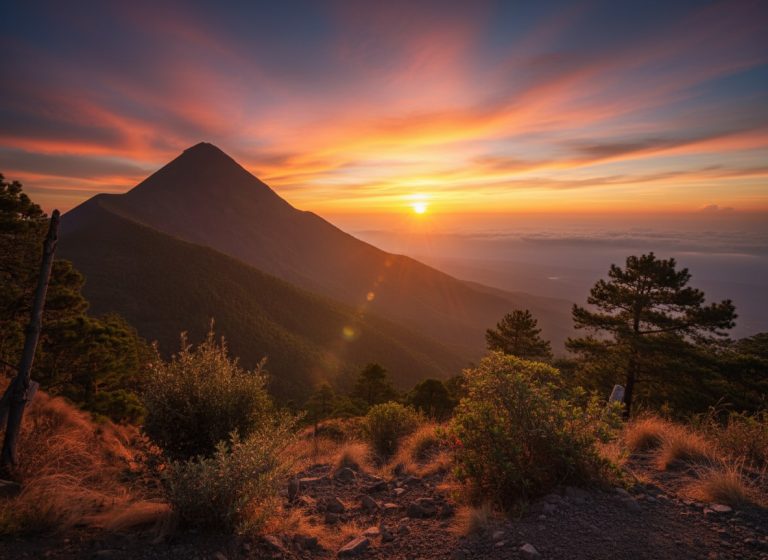
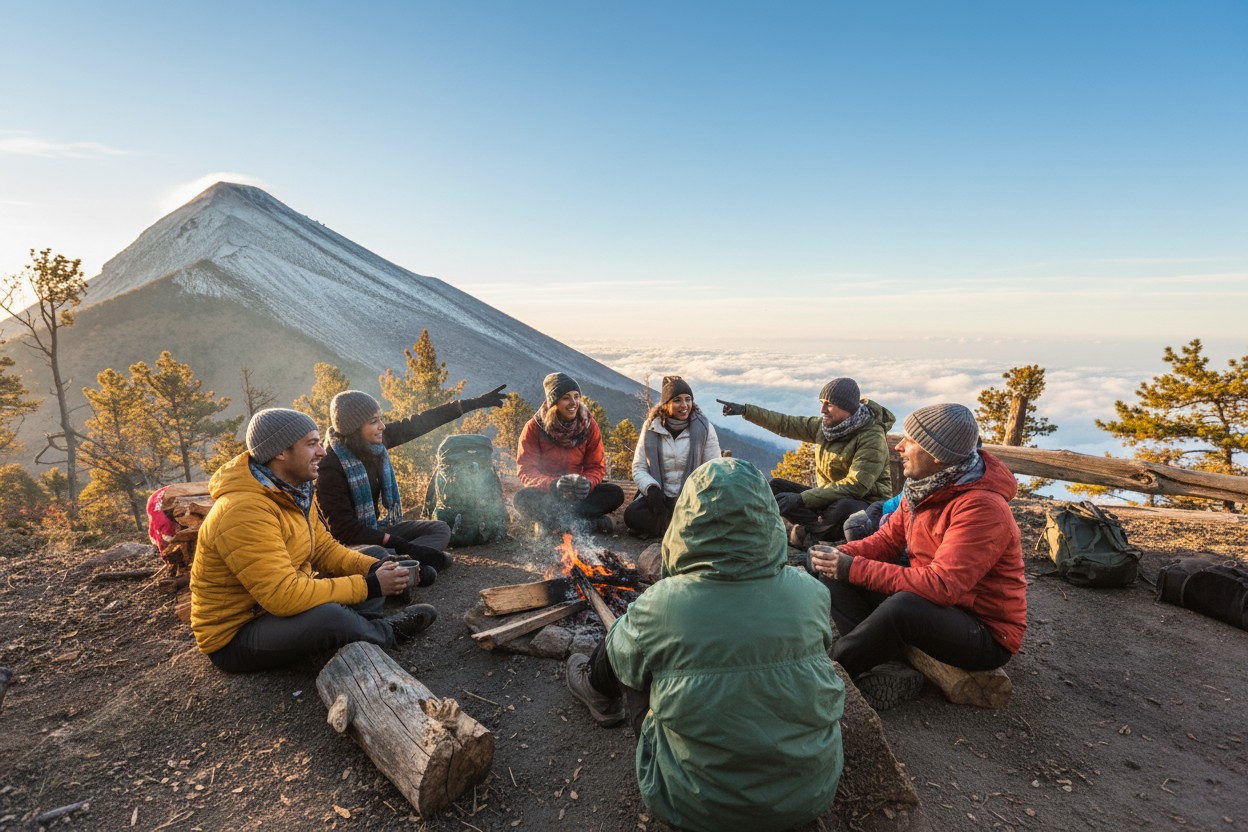
Guatemala. The Land of Eternal Spring. It’s also the land of giants. Volcanoes dominate the skyline here, a constant, brooding presence. You see them from colonial rooftops in Antigua, from the shores of Lake Atitlán, and you start to wonder. That little voice in your head gets louder. What would it be like to stand on top of one of those things?
Let me tell you. It’s brutal. It’s beautiful. And it will absolutely, 100% test what you think you’re made of. But “hard” doesn’t mean the same thing on every peak.
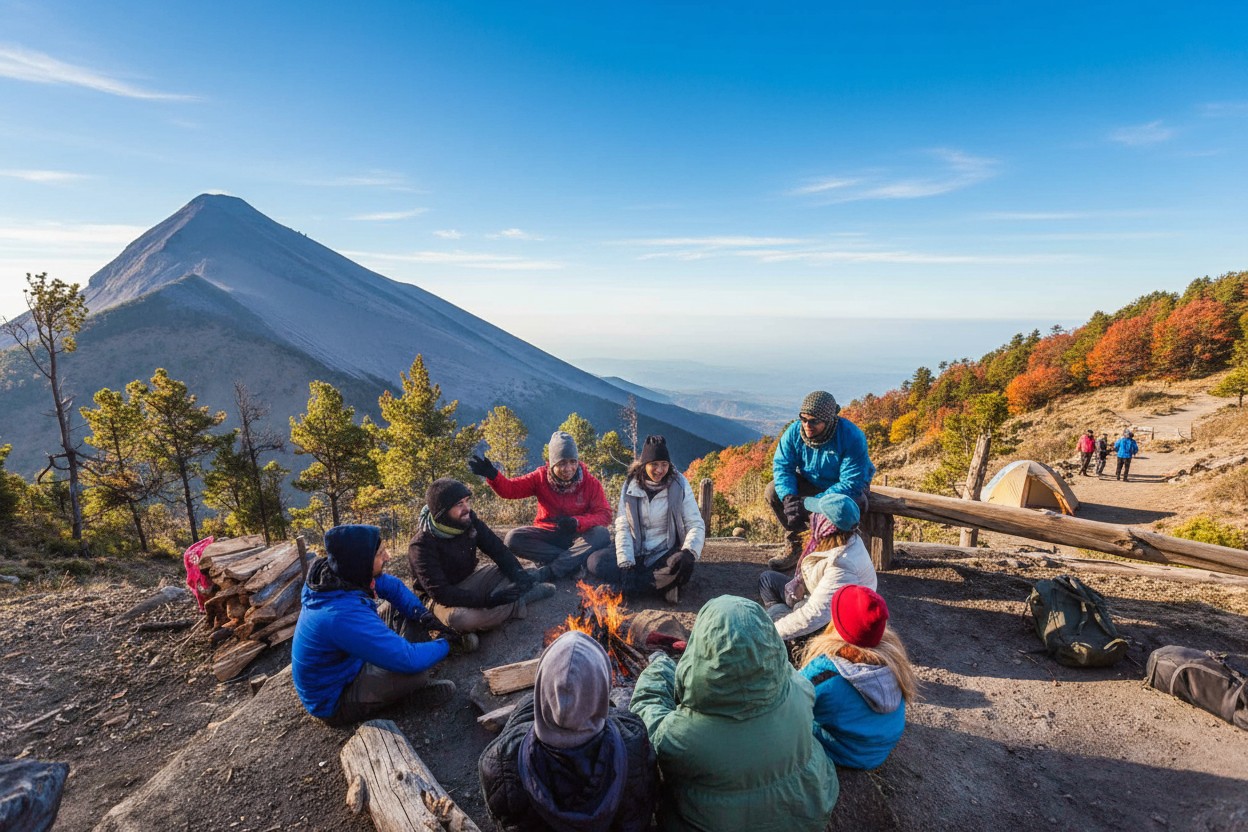
So, How Hard Is the Volcano Hike in Guatemala?
That’s like asking “how spicy is the food?” It depends entirely on which one you pick. There’s a whole menu of suffering and spectacle to choose from.
There’s Pacaya, the tourist-friendly one. It’s more of a walk, really. You get to toast marshmallows on hot spots and say you’ve been on a volcano. A great day out, but not the soul-crushing experience we’re here to talk about.
Then there are the big boys around Lake Atitlán—Toliman, Atitlán, San Pedro. These are serious, steep, single-day slogs that will leave your legs screaming.
But the real conversation, the one people are having when they ask “the volcano hike,” is about the king. Acatenango.
The Real Deal: How Hard is Acatenango?
Let’s not mince words. Acatenango is a monster. It is, for most people who attempt it, the single most difficult physical thing they have ever willingly done. The stats alone are intimidating: a climb of over 5,150 feet (1,600 meters) to a summit of 13,044 feet (3,976 meters). But the numbers don’t tell the story.
The story starts in a dusty farm field. You’re fresh, you’re excited. Then the trail goes up. And it just… never stops. The first part is through loose, volcanic scree. It feels like you’re trying to climb an escalator that’s going down, every step a tiny, frustrating slide backward.
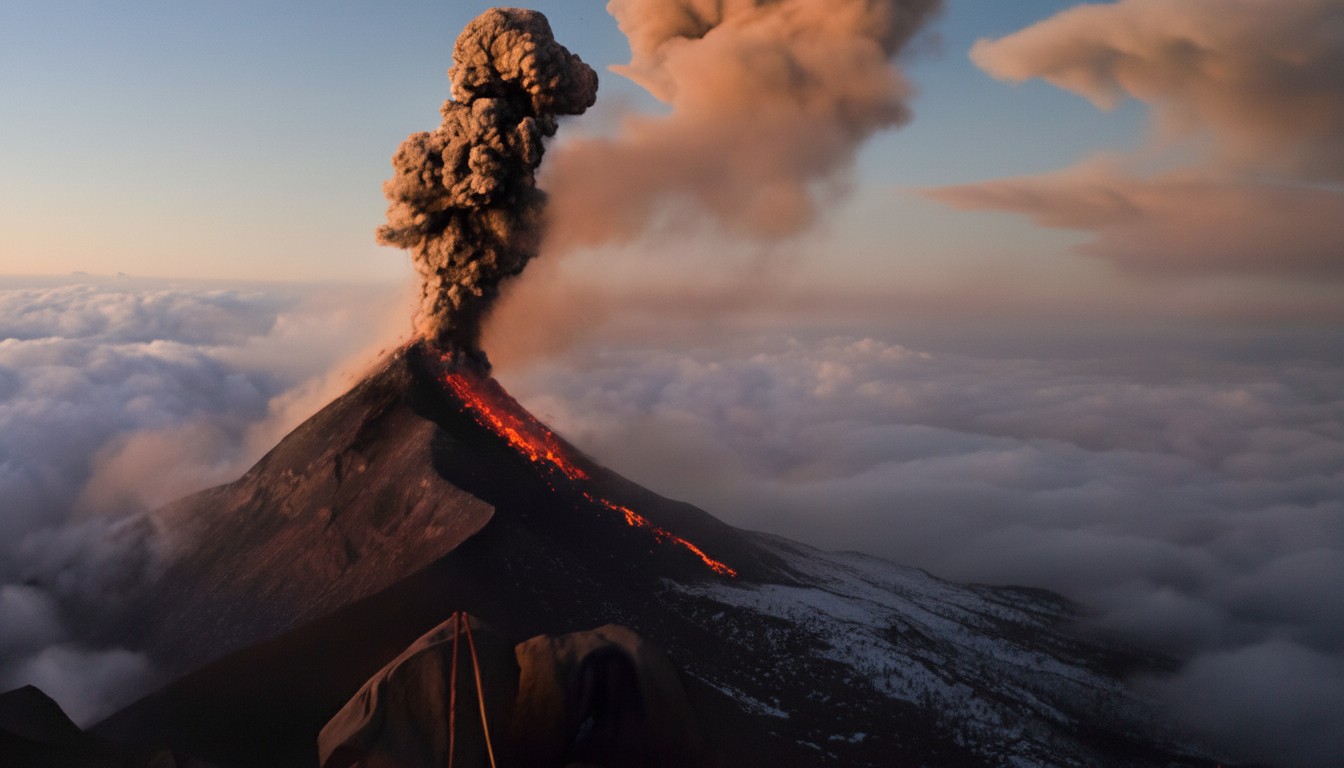
Then you enter the cloud forest. It’s beautiful and weird and damp. But it’s still just up. Relentlessly, punishingly up. Your lungs start to burn. This isn’t a normal kind of tired. This is the altitude starting to whisper in your ear. Every breath feels a little less satisfying. Your legs feel heavy, like they’re filled with wet sand.
The mental game is the real killer. For hours, your only goal is to put one foot in front of the other. You see people from other groups sitting on the side of the trail, their faces pale, and you wonder if you’re about to join them. It’s a battle against your own screaming desire to just stop.
Let’s Talk Sweat. Do You Sweat a Lot Climbing Acatenango?
Oh, you sweat. You sweat in ways you didn’t know you could.
The first hour or two, you’re probably in the sun, climbing that dusty scree. It’s hot. You’ll be soaked. You’ll be tempted to strip off layers. This is a mistake.
Because as you climb higher, the temperature starts to plummet. You hit the cloud forest and it’s damp, but you’re still working hard, still sweating into your clothes. Then you get above the treeline, to base camp, and the wind hits you. All that sweat you so diligently produced is now a layer of ice against your skin. This is how people get dangerously cold. The trick isn’t to avoid sweating—it’s impossible—but to manage it. Wear layers you can easily remove and put back on. Moisture-wicking stuff is your best friend. Cotton is your enemy.
What About That Other Giant, Volcan de Agua?
You see Agua looming over Antigua, a perfect, conical silhouette. It looks majestic and inviting. It is a trap. Volcan de Agua is, in many ways, a harder and riskier day than Acatenango. There are no cozy base camps here.
It is a pure, unadulterated slog from the town of Santa Maria de Jesus to the summit. It’s steeper than Acatenango for longer stretches. A leg-shattering, lung-busting day trip. But the main difficulty isn’t just physical. Agua has a notorious reputation for robberies. You absolutely cannot, under any circumstances, hike it without a reputable local guide and a police escort, which can usually be arranged. It’s less of a tourist trek and more of a raw, local challenge with a very real element of danger.
The Big Question: Is a Fuego Volcano Hike Worth It?
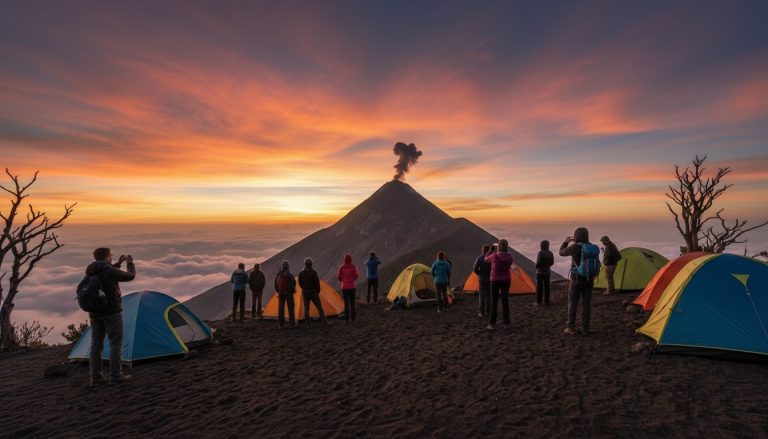
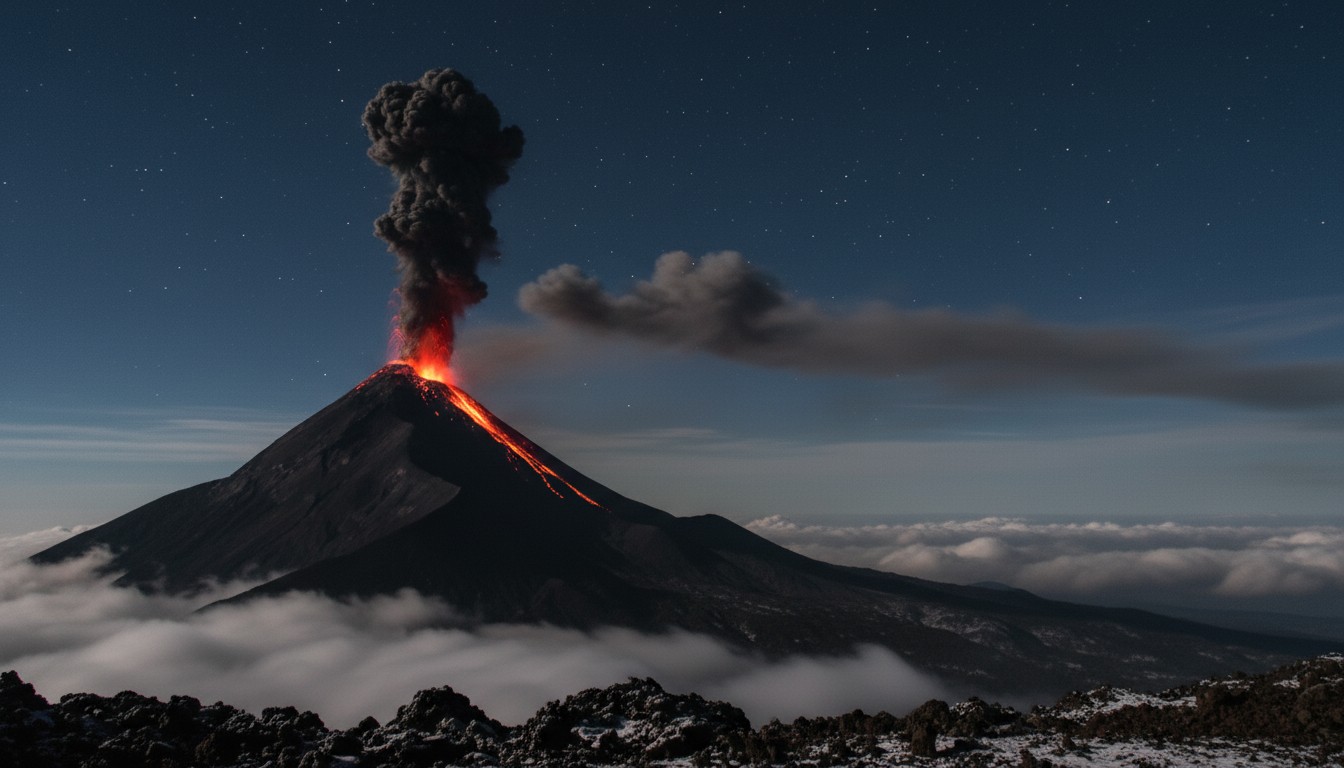
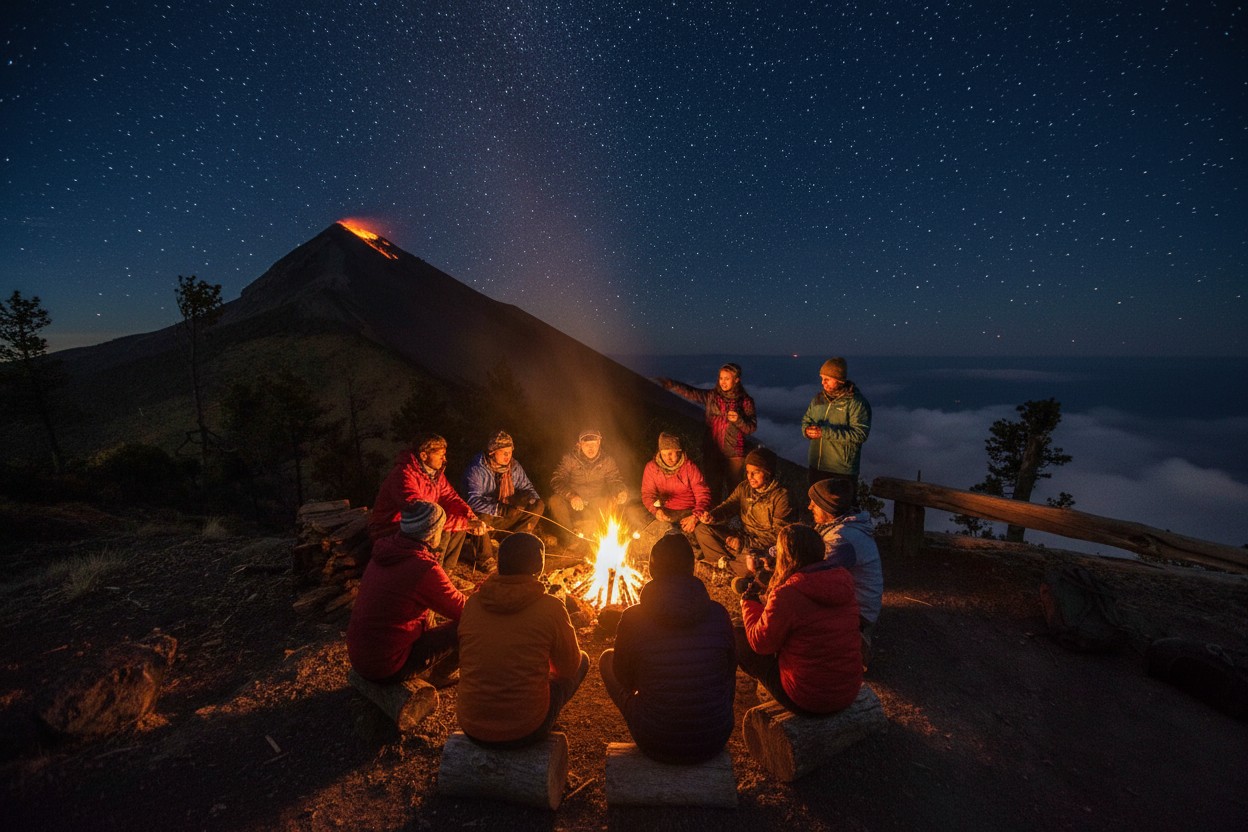
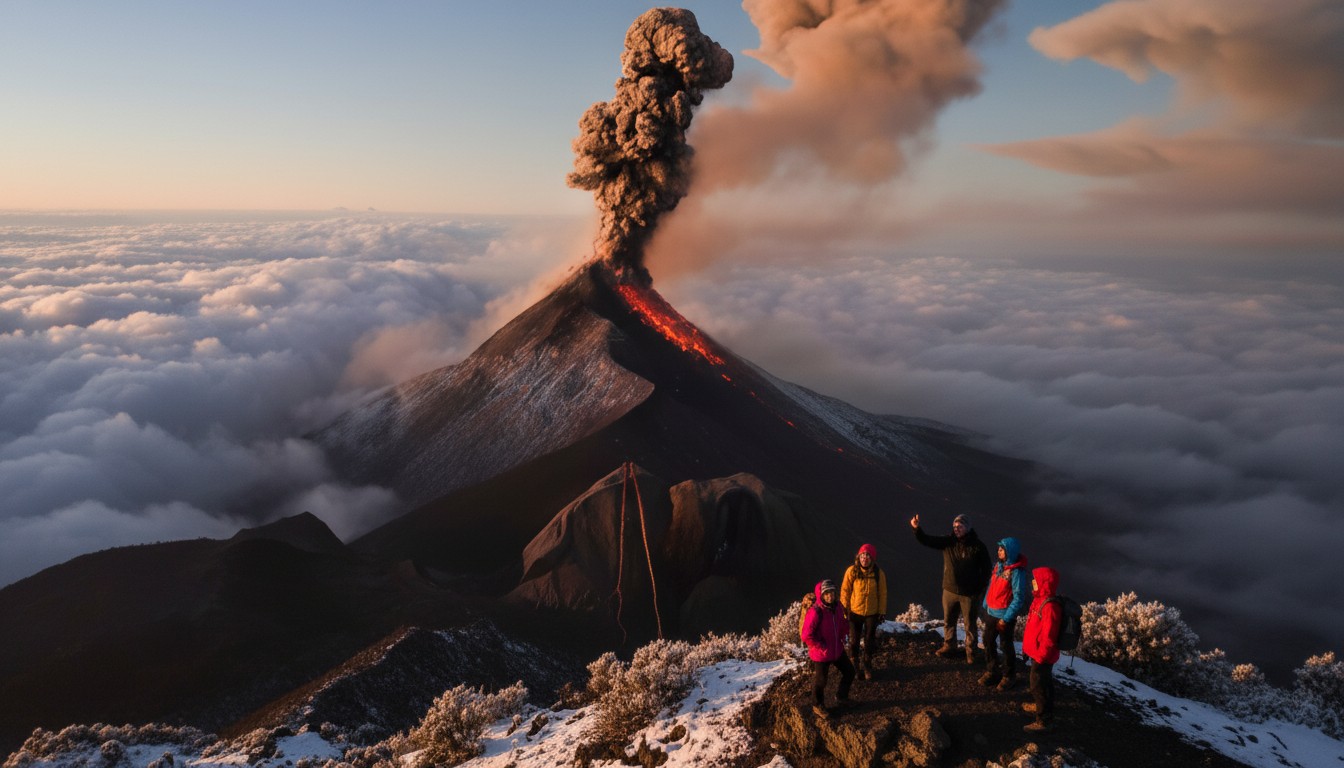
First, a clarification. You don’t hike to the top of Fuego. Fuego is the name of the incredibly active volcano right next to Acatenango, and it is constantly, violently erupting. The “Fuego hike” is an optional, extra excursion from Acatenango’s base camp over to a ridge closer to Fuego’s erupting cone.
And is it worth it? My god, yes. It is the single most insane, terrifying, and awe-inspiring thing I have ever experienced.
Imagine: You’ve already hiked for 5 hours to base camp. You are wrecked. Your guide says, “Okay, who wants to go to Fuego?” You hike another 90 minutes, down into a gully and then straight up a horribly steep wall of loose rock, in the dark, with only a headlamp. You get to the ridge and you are so close you feel it in your bones. The ground shakes. A deafening roar, like a jet engine mixed with thunder, rips through the air. And then the world turns red as a house-sized plume of lava explodes into the night sky above you. It is primal. It is violent. It will change you.
It’s an extra layer of hell on top of an already hellish day. But it’s a front-row seat to the creation of the Earth. It is worth every single agonizing step.
So, Is It The Hardest Hike On Earth?
No. Of course not. There are expeditions that are infinitely harder, longer, and more dangerous. The Snowman Trek in Bhutan, the Great Himalayan Trail… these are months-long ordeals for the most elite trekkers on the planet.
But that’s missing the point. For the average person, for the traveler looking to push their limits, for the person who wants a story to tell… Acatenango might just be the hardest thing they ever do. It’s accessible brutality. It’s a genuine expedition condensed into 24 hours. It will take you to your absolute physical and mental limit, and then it will reward you with a spectacle that your brain can barely comprehend. And that’s a kind of magic you can’t find anywhere else.